Drop a folder, or click to choose images

JPEG · PNG · WebP · AVIF · HEIC · SVG · GIF · JXL · TIFF

CtrlVPaste
Web OptimizedWEBP · max 1920px

Files never uploaded · 100% client-side · I cannot see your photos · Privacy policy

Pipeline ready: JPG → WebP (any input still accepted)

Free JPG to WebP converter in your browser

Asset Melt Studio is a JPG to WebP converter that runs entirely on your device. Most photo libraries are still JPEG. WebP typically trims another 25–35% at similar visual quality — enough to move LCP without recapturing anything.

Drop one JPG or a whole folder — the pipeline is already set to WebP using the official WebP encoder. That is the JPG to WebP workflow people search for: convert JPG to WebP without an upload, then resize, crop, or hit a size budget (when the codec allows) before you download.

Input is not locked to JPG: you can still open JPEG, PNG, WebP, AVIF, HEIC, GIF, and more in the same session. The JPG to WebP URL simply pre-selects WebP so jpg to webp jobs start in one click.

Typical JPG to WebP result

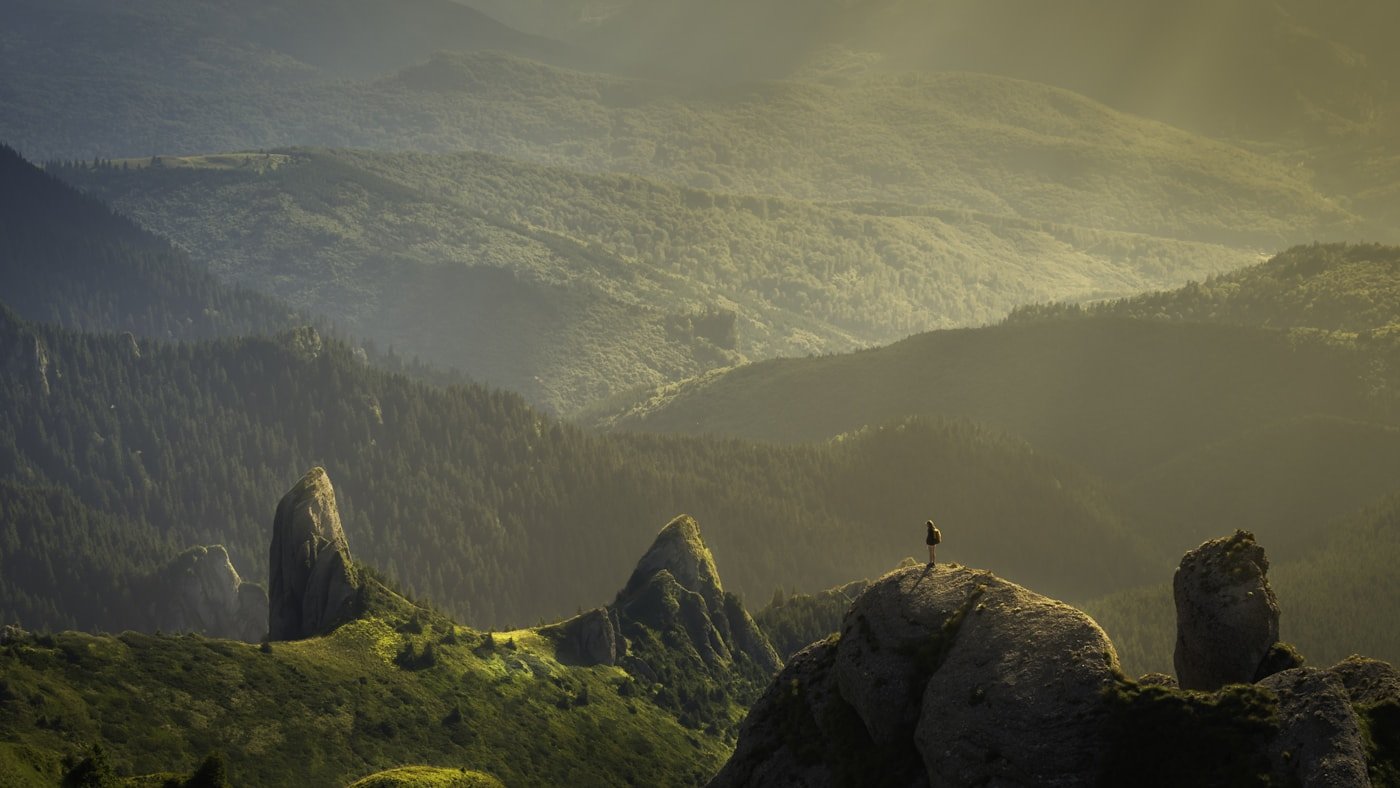
A mountain landscape destined for a blog hero.

~88% smaller

Mountain landscape photograph used as a typical photo compression sample
JPEG · 3.2 MBWebP · 390 KB

Before · JPEG3.2 MBCamera / export JPEG

After · WebP390 KBQuality ~80, ~1920px edge

Illustrative JPG to WebP at web quality — not a live encode of this sample. Drop a JPEG above to convert locally.

How to use this converter

  1. Step 1

    Open this JPG to WebP page

    You are already on the JPG to WebP converter. Output is pre-selected as WebP. You can still drop mixed formats — the JPG to WebP URL is a starting point, not a file-type lock.

  2. Step 2

    Drop JPG files (or a folder)

    Drag JPG images onto the studio, click to choose, or paste. Folder drops queue nested images. Then process — JPG to WebP encoding runs in Web Workers on this device.

  3. Step 3

    Preview, tweak, download

    Use the before/after scrubber until the JPG to WebP result looks right. Adjust quality, crop, or resize, then download one WebP or a ZIP of the batch.

JPG to WebP at a glance

JPG to WebP at a glance
TopicJPGWebP
Typical web photoBaseline JPEGOften 25–35% smaller WebP
TransparencyNoNo (source has none)
Size budgetSupportedSupported
Re-encoding riskGenerational JPEG loss if you keep editing JPGEncode once from the original JPEG
FallbackUniversalKeep JPEG via Also export if needed

Why convert JPG to WebP

JPEG is universal, but many camera and phone exports are not tuned for the web. JPG to WebP (JPEG to WebP) is the common next step after “upload the camera file.”

Use JPG to WebP for blog heroes, Shopify product photos, and Open Graph images when the host accepts WebP. Keep a JPEG fallback via Also export if older in-app WebViews still appear in analytics.

MozJPEG can also shrink a JPEG in place. Choose JPG to WebP when you want a modern codec, not just a smaller JPG.

Typical JPG to WebP file sizes

Typical JPG to WebP file sizes
SourceBeforeAfterNote
Phone photo ~4 MB4.0 MB JPEG~450 KB WebPQuality ~80, longest edge 1920px
DSLR export ~12 MB12 MB JPEG~900 KB WebPResize first or the WebP still stays large
Already-optimized JPEG180 KB JPEG~140 KB WebPSmaller win — do not expect TinyPNG-scale drops

How JPG to WebP works in Asset Melt

This page pre-selects WebP. Drop JPG / JPEG files, optionally set a size budget, then encode locally with the official WebP encoder.

JPEG has no alpha — JPG to WebP will not invent transparency. If you need a cutout, start from PNG or edit elsewhere first.

Strip GPS if the photos are going public. The metadata inspector shows location tags before you encode.

When to use JPG to WebP (and when not to)

Photo-heavy pages where JPEG is already “good enough” but still too heavy.

CMS uploads that accept WebP and reward smaller bytes.

Skip JPG to WebP when the destination only takes JPEG (email, some printers, some DAM tools).

JPG to WebP quality and settings

Quality 75–85 matches most “web photo” looks. Below ~70, watch for banding in skies. Size budget is the better control when the form says “max 200 KB.”

Enable size budget instead of guessing quality for upload caps.

Resize to the displayed CSS width × 2 for retina before JPG to WebP.

Progressive JPEG is irrelevant here — you are leaving JPEG.

Privacy while you convert JPG to WebP

Image processing is 100% client-side in your browser with WebAssembly. Your photos are not uploaded, I cannot see or recover them, and sampled session replay is UI-only and does not include image pixels (media is blocked). The site still sends usage analytics and crash reports — details are on the privacy page. That includes every JPG to WebP job — the converter never needs your files on a server.

Upload compressors send your bitmap to someone else’s API. Asset Melt keeps jpg to webp on this device. Session replay, if sampled, is UI-only and does not include image pixels.

Frequently asked questions

Yes. This JPG to WebP converter runs entirely in your browser. Image processing is 100% client-side in your browser with WebAssembly. Your photos are not uploaded, I cannot see or recover them, and sampled session replay is UI-only and does not include image pixels (media is blocked). The site still sends usage analytics and crash reports — details are on the privacy page.

No. The Studio still opens JPEG, PNG, WebP, AVIF, HEIC, GIF, TIFF, BMP, SVG, JPEG XL, and QOI. The JPG to WebP URL pre-selects WebP output for the common JPEG / JPG workflow, but mixed batches are fine — only the output codec is locked to WebP until you change Format settings.

Yes. Queue many JPG files (or a folder), keep WebP as the output, and the Studio encodes in parallel on a worker pool sized to your CPU (up to 4) with live per-file progress, Pause, and Cancel. Pause lets in-flight files finish so you can download what is ready. Optional “ZIP every 25 files” packs numbered ZIPs during encode. There is no 20-image cap; very large JPG to WebP batches depend on device RAM.

JPG to WebP output uses the official WebP encoder via the same Squoosh-grade @jsquash WebAssembly stack, running locally in a Web Worker. You can still crop, resize, filter, and (for lossy WebP) set a size budget before download.

Yes. JPG to WebP conversion is free: no account, no watermark, and no file-count limit. Download one file or a ZIP of the whole queue.

Yes. JPG and JPEG are the same format. This JPG to WebP page accepts both extensions and encodes WebP locally.

At quality 80–90, most photos look the same at web sizes. Use the scrubber. If you see artifacts, raise quality or skip extra resize.

Yes. Format → Also export → JPEG fallback. Process once; download is a ZIP with webp/ and jpeg/ folders. JPEG fallback flattens transparency (not an issue for camera JPEGs).