Drop a folder, or click to choose images

JPEG · PNG · WebP · AVIF · HEIC · SVG · GIF · JXL · TIFF

CtrlVPaste
Web OptimizedWEBP · max 1920px

Files never uploaded · 100% client-side · I cannot see your photos · Privacy policy

Pipeline ready: JPG → AVIF (any input still accepted)

Free JPG to AVIF converter in your browser

Asset Melt Studio is a JPG to AVIF converter that runs entirely on your device. AVIF is the strongest size win for photo heroes when your audience is on modern browsers. Keep WebP or JPEG as a fallback.

Drop one JPG or a whole folder — the pipeline is already set to AVIF using libavif / AV1 stills. That is the JPG to AVIF workflow people search for: convert JPG to AVIF without an upload, then resize, crop, or hit a size budget (when the codec allows) before you download.

Input is not locked to JPG: you can still open JPEG, PNG, WebP, AVIF, HEIC, GIF, and more in the same session. The JPG to AVIF URL simply pre-selects AVIF so jpg to avif jobs start in one click.

Typical JPG to AVIF result

A landscape hero for a landing page.

~95% smaller

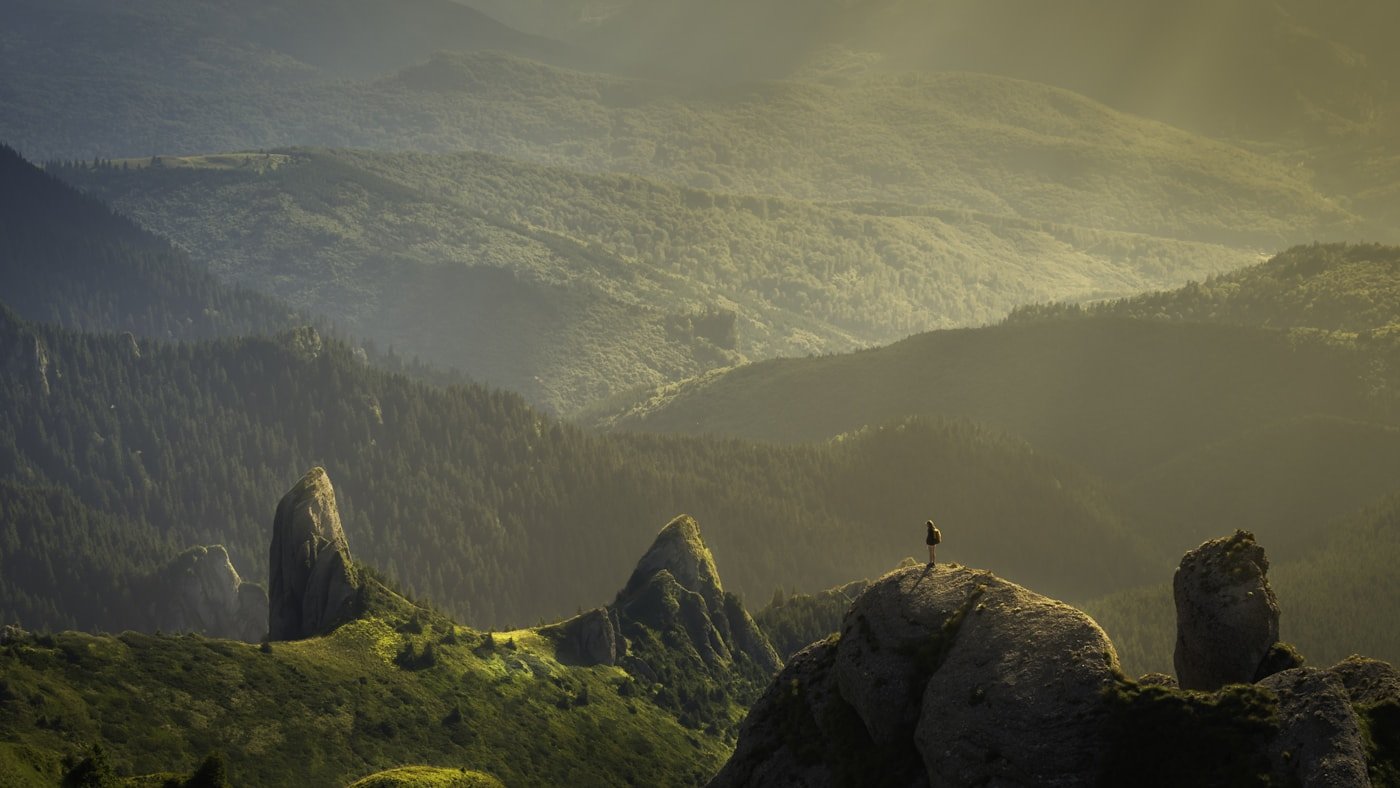
Mountain landscape photograph used as a typical photo compression sample
JPEG · 3.6 MBAVIF · 170 KB

Before · JPEG3.6 MBPhoto export

After · AVIF170 KBWeb hero, mid quality

Illustrative JPG to AVIF. Encode is slower than JPEG — worth it for LCP if you ship a fallback.

How to use this converter

  1. Step 1

    Open this JPG to AVIF page

    You are already on the JPG to AVIF converter. Output is pre-selected as AVIF. You can still drop mixed formats — the JPG to AVIF URL is a starting point, not a file-type lock.

  2. Step 2

    Drop JPG files (or a folder)

    Drag JPG images onto the studio, click to choose, or paste. Folder drops queue nested images. Then process — JPG to AVIF encoding runs in Web Workers on this device.

  3. Step 3

    Preview, tweak, download

    Use the before/after scrubber until the JPG to AVIF result looks right. Adjust quality, crop, or resize, then download one AVIF or a ZIP of the batch.

JPG to AVIF at a glance

JPG to AVIF at a glance
TopicJPGAVIF
Photo compressionMature, universal JPEGUsually smallest modern still
Encode timeFast (MozJPEG)Slower (AV1)
Size budgetSupportedSupported
TransparencyNoNo (JPEG source)
Fallback planNot neededKeep WebP or JPEG

Why convert JPG to AVIF

JPG to AVIF (JPEG to AVIF) is the usual “we already have photos, we need Core Web Vitals” conversion. AVIF often beats both JPEG and WebP on noisy camera images.

Use JPG to AVIF for above-the-fold heroes and gallery thumbs if your CDN or build step can emit a fallback. Do not send AVIF-only to a random email list.

libavif runs locally. Size budget is the practical control when a CMS says 200 KB.

Typical JPG to AVIF file sizes

Typical JPG to AVIF file sizes
SourceBeforeAfterNote
Phone hero3.8 MB JPEG~180 KB AVIFStrongest typical saving
Studio JPEG8 MB JPEG~320 KB AVIFResize first for web
Already 120 KB JPEG120 KB JPEG~70 KB AVIFDiminishing returns

How JPG to AVIF works in Asset Melt

Drop JPEGs. The pipeline is AVIF. Optional resize to the displayed width × 2, then encode.

There is no alpha to preserve from JPEG. JPG to AVIF is a photo path, not a cutout path.

Also export WebP if you want a two-format kit from one queue.

When to use JPG to AVIF (and when not to)

Marketing sites with a modern browser baseline.

When JPG to WebP still leaves heroes too heavy.

Skip JPG to AVIF for print PDFs, some social uploaders, and tools that only sniff JPEG magic bytes.

JPG to AVIF quality and settings

Mid-range AVIF quality plus a size budget beats guessing. If skin tones band, raise quality or disable extra sharpen.

Strip GPS on people photos before you publish.

Use Lanczos or Magic Kernel resize — do not upscale.

AVIF lossless exists but will not beat a well-tuned lossy still for web photos.

Privacy while you convert JPG to AVIF

Image processing is 100% client-side in your browser with WebAssembly. Your photos are not uploaded, I cannot see or recover them, and sampled session replay is UI-only and does not include image pixels (media is blocked). The site still sends usage analytics and crash reports — details are on the privacy page. That includes every JPG to AVIF job — the converter never needs your files on a server.

Upload compressors send your bitmap to someone else’s API. Asset Melt keeps jpg to avif on this device. Session replay, if sampled, is UI-only and does not include image pixels.

Frequently asked questions

Yes. This JPG to AVIF converter runs entirely in your browser. Image processing is 100% client-side in your browser with WebAssembly. Your photos are not uploaded, I cannot see or recover them, and sampled session replay is UI-only and does not include image pixels (media is blocked). The site still sends usage analytics and crash reports — details are on the privacy page.

No. The Studio still opens JPEG, PNG, WebP, AVIF, HEIC, GIF, TIFF, BMP, SVG, JPEG XL, and QOI. The JPG to AVIF URL pre-selects AVIF output for the common JPEG / JPG workflow, but mixed batches are fine — only the output codec is locked to AVIF until you change Format settings.

Yes. Queue many JPG files (or a folder), keep AVIF as the output, and the Studio encodes in parallel on a worker pool sized to your CPU (up to 4) with live per-file progress, Pause, and Cancel. Pause lets in-flight files finish so you can download what is ready. Optional “ZIP every 25 files” packs numbered ZIPs during encode. There is no 20-image cap; very large JPG to AVIF batches depend on device RAM.

JPG to AVIF output uses libavif / AV1 stills via the same Squoosh-grade @jsquash WebAssembly stack, running locally in a Web Worker. You can still crop, resize, filter, and (for lossy AVIF) set a size budget before download.

Yes. JPG to AVIF conversion is free: no account, no watermark, and no file-count limit. Download one file or a ZIP of the whole queue.

AVIF usually wins on photos. WebP is faster to encode and slightly older in support. Many teams emit both (Also export) and let `<picture>` choose.

Yes. Size budget searches quality (and optionally resize) until the AVIF fits. Dedicated pages exist at /compress/under-50kb, /compress/under-100kb, and /compress/under-200kb.

AVIF, JXL, and QOI always export pixels only in Asset Melt. GPS and camera tags will not be in the AVIF. Inspect the source JPEG first if you need to record capture data elsewhere.